Hand Bamboo Leaf Rake
Hand Bamboo Leaf Rake
Hand Bamboo Leaf Rake
ROLE Industrial Designer
TEAM Solo project
TIMELINE Spring 2026
TOOLS User Research, Iteration process, wood-working

DESIGN BRIEF
The goal of this project is to redesign a bamboo leaf rake to make it more accessible
and comfortable for individuals with arthritis. Through empathy practice, we aim to
understand the physical challenges faced by those with arthritis and create a rake that
reduces strain on the hands and joints. The redesign will focus on improving
ergonomics, reducing the need for tight gripping, and minimizing discomfort, while
maintaining the rake’s functionality.
DESIGN BRIEF
The goal of this project is to redesign a bamboo leaf rake to make it more accessible and comfortable for individuals with arthritis. Through empathy practice, we aim to understand the physical challenges faced by those with arthritis and create a rake that reduces strain on the hands and joints. The redesign will focus on improving ergonomics, reducing the need for tight gripping, and minimizing discomfort, while maintaining the rake’s functionality.
DESIGN BRIEF
The goal of this project is to redesign a bamboo leaf rake to make it more accessible and comfortable for individuals with arthritis. Through empathy practice, we aim to understand the physical challenges faced by those with arthritis and create a rake that reduces strain on the hands and joints. The redesign will focus on improving ergonomics, reducing the need for tight gripping, and minimizing discomfort, while maintaining the rake’s functionality.
Ease of Use
Create a rake that minimizes effort and discomfort for individuals with arthritis, particularly in the hands, wrists, and elbows.
Ease of Use
Create a rake that minimizes effort and discomfort for individuals with arthritis, particularly in the hands, wrists, and elbows.
Improved Grip
Develop an ergonomic handle that reduces pressure on the joints, allowing for longer, more comfortable use.
Lightweight Construction
Ensure the rake is lightweight but durable, enabling users to rake with minimal effort and strain.
Lightweight Construction
Ensure the rake is lightweight but durable, enabling users to rake with minimal effort and strain.
Effective Raking
Maintain or enhance the rake’s ability to efficiently gather leaves and debris, ensuring that functionality is not sacrificed for comfort.
Effective Raking
Maintain or enhance the rake’s ability to efficiently gather leaves and debris, ensuring that functionality is not sacrificed for comfort.
Improved Grip
Develop an ergonomic handle that reduces pressure on the joints, allowing for longer, more comfortable use.
Safety and Stability
Ensure the rake is safe to use, preventing injuries or overexertion, and stable in all weather conditions.
Safety and Stability
Ensure the rake is safe to use, preventing injuries or overexertion, and stable in all weather conditions.
Aesthetics:
Maintain an aesthetically pleasing design that still feels functional and modern, with a focus on the natural look of bamboo or similar sustainable materials.
PROBLEM
Garden tools can be painful for people living with arthritis
Mind mapping why those Garden to better understand users
PROBLEM
Garden tools can be painful for people living with arthritis
Mind mapping why those Garden to better understand users
PROBLEM
Garden tools can be painful for people living with arthritis
Mind mapping why those Garden to better understand users
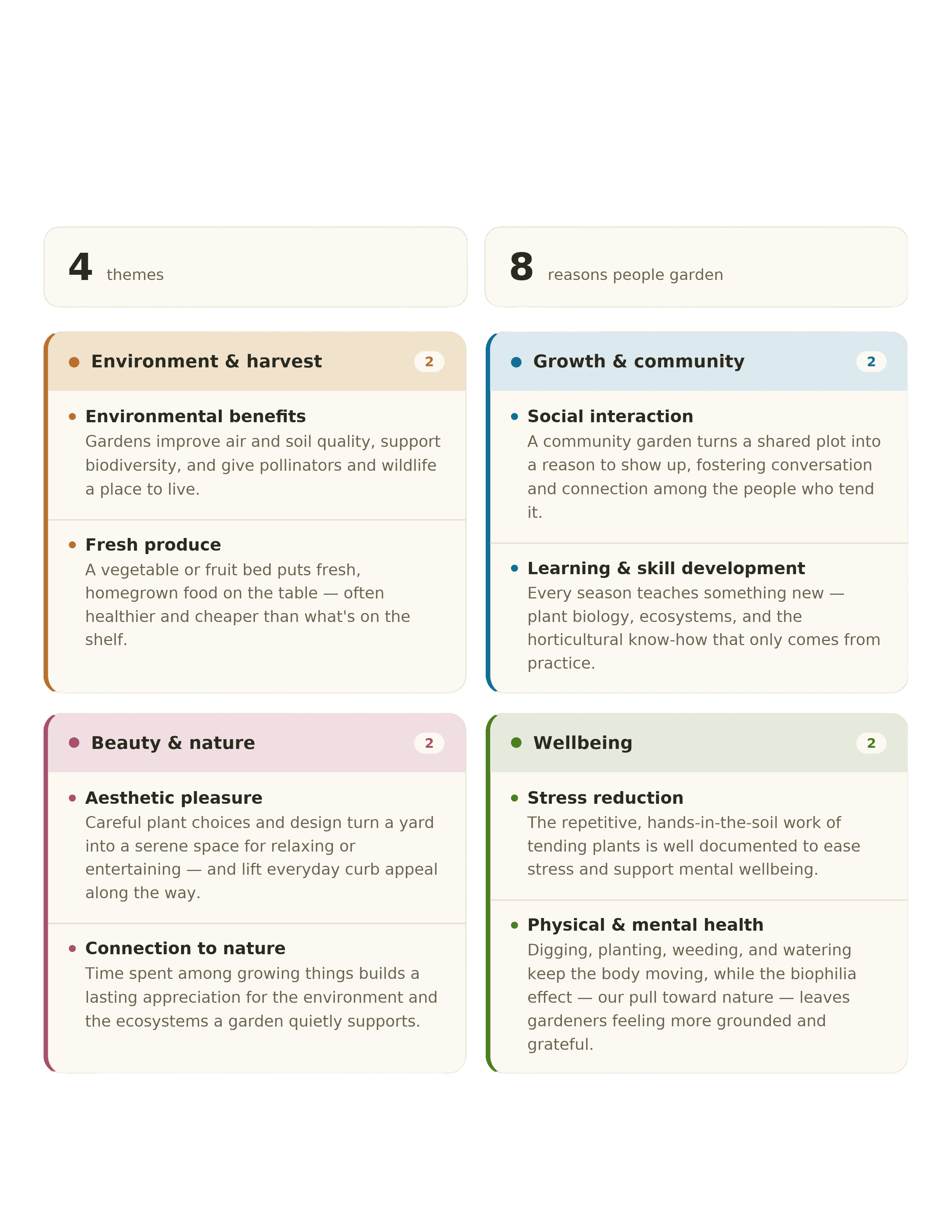
WHY PEOPLE GARDEN
WHY PEOPLE GARDEN
WHY PEOPLE GARDEN
USER EMPATHY
Key Insights from the Exercise
USER EMPATHY
Key Insights from the Exercise
USER EMPATHY
Key Insights from the Exercise
Gardening teaches that growth, whether in plants or in relationships, takes time. Developing empathy requires patience, as you learn to understand and care for others' needs.
Patience and Growth
Just as plants rely on sunlight, water, and soil, people also rely on community, support, and understanding. This interdependence fosters an understanding of how vital it is to nurture one another.
Interdependence
The process of observing a plant's needs and responding accordingly cultivates sensitivity. People, like plants, have specific needs (emotional, psychological, and physical), and recognizing those needs is key to practicing empathy.
Sensitivity to Needs
Gardening offers a meditative space to reflect on one's emotions. By being mindful of the process, participants learn to be more attuned to their feelings, which can improve emotional intelligence and empathy toward others.
Reflection and Emotional Awareness
01 - PERSONA
DESIGNING FOR WHO?
01 - PERSONA
DESIGNING FOR WHO?
01 - PERSONA
DESIGNING FOR WHO?
01 - PERSONA
DESIGNING FOR WHO?
Miguel Gonzalez
Ph.D. in Botany · undergraduate at UC Berkeley · graduate studies at Stanford University
Miguel Gonzalez
Ph.D. in Botany · undergraduate at UC Berkeley · graduate studies at Stanford University
Miguel Gonzalez
Ph.D. in Botany · undergraduate at UC Berkeley · graduate studies at Stanford University
Current goals
Today, Miguel is not only a prominent biologist but also a passionate gardener, inspiring others to cultivate their own green spaces. His story shows that the desire to garden can flourish even in the face of physical limitations — a reminder of the healing power of nurturing plants.
Hand impact
Miguel's rheumatoid arthritis affects his wrist joints, making it hard to control the movement of his gardening tools.
Mobility impact
Knee pain makes it difficult for Miguel to climb stairs and kneel while working in the garden.
Current goals
Today, Miguel is not only a prominent biologist but also a passionate gardener, inspiring others to cultivate their own green spaces. His story shows that the desire to garden can flourish even in the face of physical limitations — a reminder of the healing power of nurturing plants.
Hand impact
Miguel's rheumatoid arthritis affects his wrist joints, making it hard to control the movement of his gardening tools.
Mobility impact
Knee pain makes it difficult for Miguel to climb stairs and kneel while working in the garden.
Current goals
Today, Miguel is not only a prominent biologist but also a passionate gardener, inspiring others to cultivate their own green spaces. His story shows that the desire to garden can flourish even in the face of physical limitations — a reminder of the healing power of nurturing plants.
Hand impact
Miguel's rheumatoid arthritis affects his wrist joints, making it hard to control the movement of his gardening tools.
Mobility impact
Knee pain makes it difficult for Miguel to climb stairs and kneel while working in the garden.
Current goals
Today, Miguel is not only a prominent biologist but also a passionate gardener, inspiring others to cultivate their own green spaces. His story shows that the desire to garden can flourish even in the face of physical limitations — a reminder of the healing power of nurturing plants.
Hand impact
Miguel's rheumatoid arthritis affects his wrist joints, making it hard to control the movement of his gardening tools.
Mobility impact
Knee pain makes it difficult for Miguel to climb stairs and kneel while working in the garden.
02 - CONDITION
WHAT THE NUMBERS SAY
02 - CONDITION
WHAT THE NUMBERS SAY
02 - CONDITION
WHAT THE NUMBERS SAY
02 - CONDITION
WHAT THE NUMBERS SAY
1.5M
People in the United States live with rheumatoid arthritis.
1.5M
People in the United States live with rheumatoid arthritis.
1.5M
People in the United States live with rheumatoid arthritis.
55 %
of people with RA are over the age of 55.
55 %
of people with RA are over the age of 55.
55 %
of people with RA are over the age of 55.
Rheumatoid arthritis is an autoimmune disease. In RA, it mistakenly attacks healthy tissue in the joints, and can also affect the heart, lungs, nerves, eyes, and skin.
Rheumatoid arthritis is an autoimmune disease. In RA, it mistakenly attacks healthy tissue in the joints, and can also affect the heart, lungs, nerves, eyes, and skin.

04 - PAIN POINTS
WHERE THE TOOL MEETS THE PAIN
04 - PAIN POINTS
WHERE THE TOOL MEETS THE PAIN
04 - PAIN POINTS
WHERE THE TOOL MEETS THE PAIN
04 - PAIN POINTS
WHERE THE TOOL MEETS THE PAIN

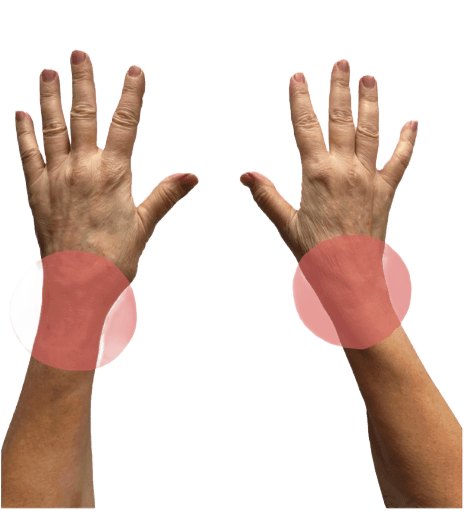
Knee pain limits stairs, kneeling, and getting in and out of low garden beds.
Knee pain limits stairs, kneeling, and getting in and out of low garden beds.
Knee pain limits stairs, kneeling, and getting in and out of low garden beds.
Wrist arthritis limits grip strength and fine control of a tool's handle.
Wrist arthritis limits grip strength and fine control of a tool's handle.
Wrist arthritis limits grip strength and fine control of a tool's handle.
05 - ERGONOMIC ANALYSIS
SIZING THE TOOL TO THE BODY
05 - ERGONOMIC ANALYSIS
SIZING THE TOOL TO THE BODY
05 - ERGONOMIC ANALYSIS
SIZING THE TOOL TO THE BODY
05 - ERGONOMIC ANALYSIS
SIZING THE TOOL TO THE BODY
Hands
Interior hand grip, optimum : 1.25–1.50 in
Forearm–hand length, 1st percentile male : 19.01 in
Hands
Interior hand grip, optimum : 1.25–1.50 in
Forearm–hand length, 1st percentile male : 19.01 in
Hands
Interior hand grip, optimum : 1.25–1.50 in
Forearm–hand length, 1st percentile male : 19.01 in
Hands
Interior hand grip, optimum : 1.25–1.50 in
Forearm–hand length, 1st percentile male : 19.01 in
Wheelchair users
Seat height, average adult : 19.5 in
Seat width, average adult : 18 in
Wheelchair users
Seat height, average adult : 19.5 in
Seat width, average adult : 18 in
Wheelchair users
Seat height, average adult : 19.5 in
Seat width, average adult : 18 in
Wheelchair users
Seat height, average adult : 19.5 in
Seat width, average adult : 18 in

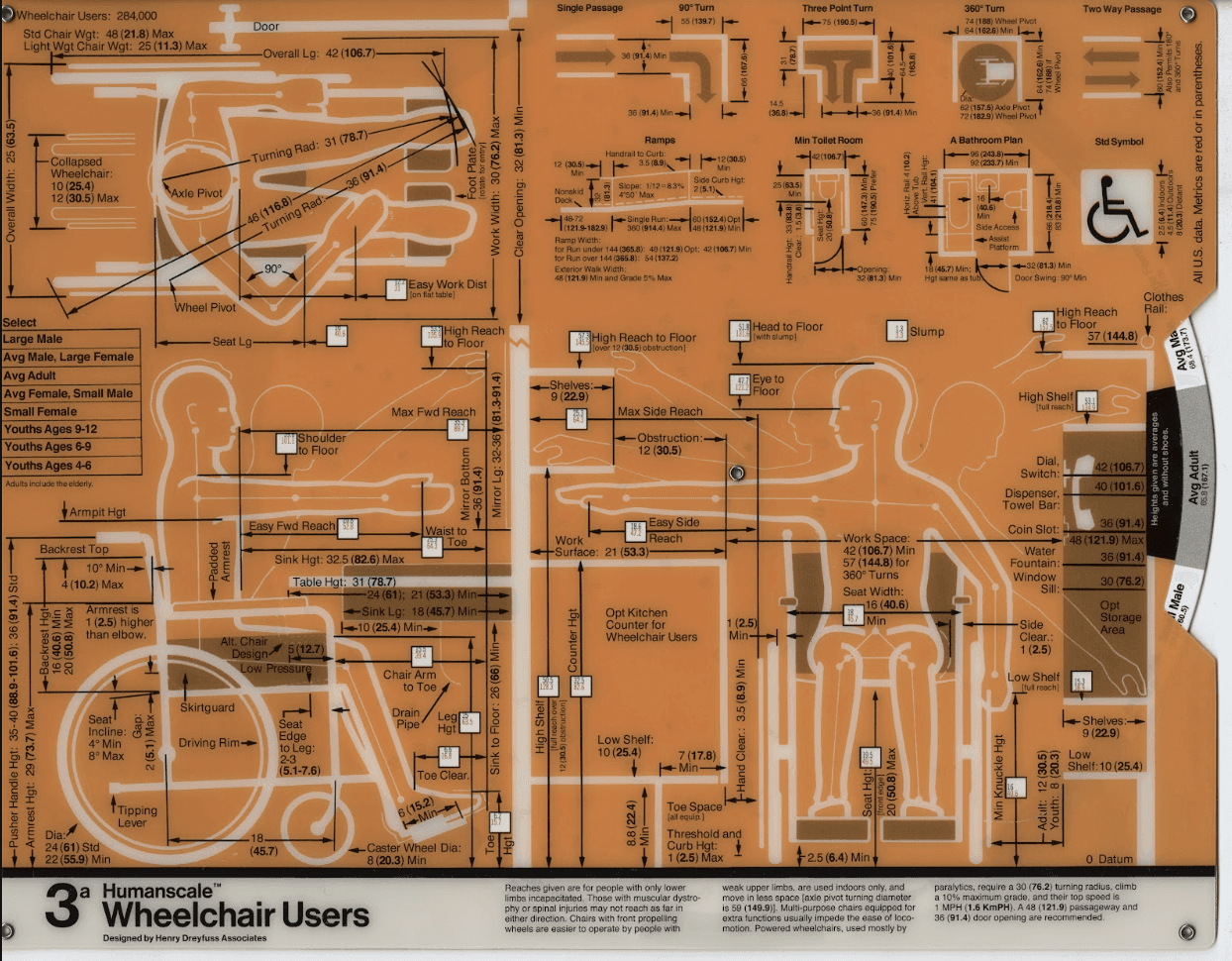
Why it matters: ergonomics and biomechanics are what keep a gardening tool from working against the body. Ergonomics shapes the parts a hand touches — grip shape, weight, adjustable length — to reduce fatigue and strain, which matters even more for someone with arthritis. Biomechanics looks at how the body actually moves, so the tool asks for natural, low-stress motion instead of forcing it. Together, they're what let a gardener work longer, and more safely.
Why it matters: ergonomics and biomechanics are what keep a gardening tool from working against the body. Ergonomics shapes the parts a hand touches — grip shape, weight, adjustable length — to reduce fatigue and strain, which matters even more for someone with arthritis. Biomechanics looks at how the body actually moves, so the tool asks for natural, low-stress motion instead of forcing it. Together, they're what let a gardener work longer, and more safely.
Why it matters: ergonomics and biomechanics are what keep a gardening tool from working against the body. Ergonomics shapes the parts a hand touches — grip shape, weight, adjustable length — to reduce fatigue and strain, which matters even more for someone with arthritis. Biomechanics looks at how the body actually moves, so the tool asks for natural, low-stress motion instead of forcing it. Together, they're what let a gardener work longer, and more safely.
06 - HISTORY
THE BAMBOO LEAF RAKE
06 - HISTORY
THE BAMBOO LEAF RAKE
06 - HISTORY
THE BAMBOO LEAF RAKE
06 - HISTORY
THE BAMBOO LEAF RAKE
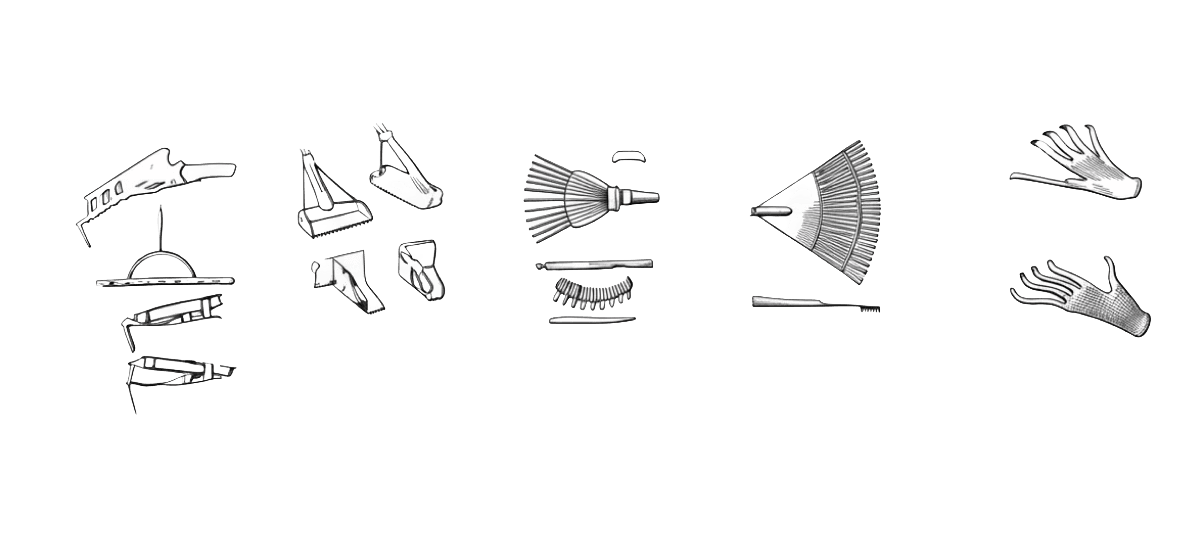
My sketches of a century and a half of rake patents
My sketches of a century and a half of rake patents
My sketches of a century and a half of rake patents
ITERATIVE PROCESS
ITERATIVE PROCESS
ITERATIVE PROCESS
24 of my sketches and models of handheld rakes
24 of my sketches and models of handheld rakes
24 of my sketches and models of handheld rakes


5 ITERATIVE MODELS
5 ITERATIVE MODELS
5 ITERATIVE MODELS
Rheumatoid arthritis is an autoimmune disease. In RA, it mistakenly attacks healthy tissue in the joints and can also affect the heart, lungs, nerves, eyes, and skin.
USER TESTING
USER TESTING
USER TESTING


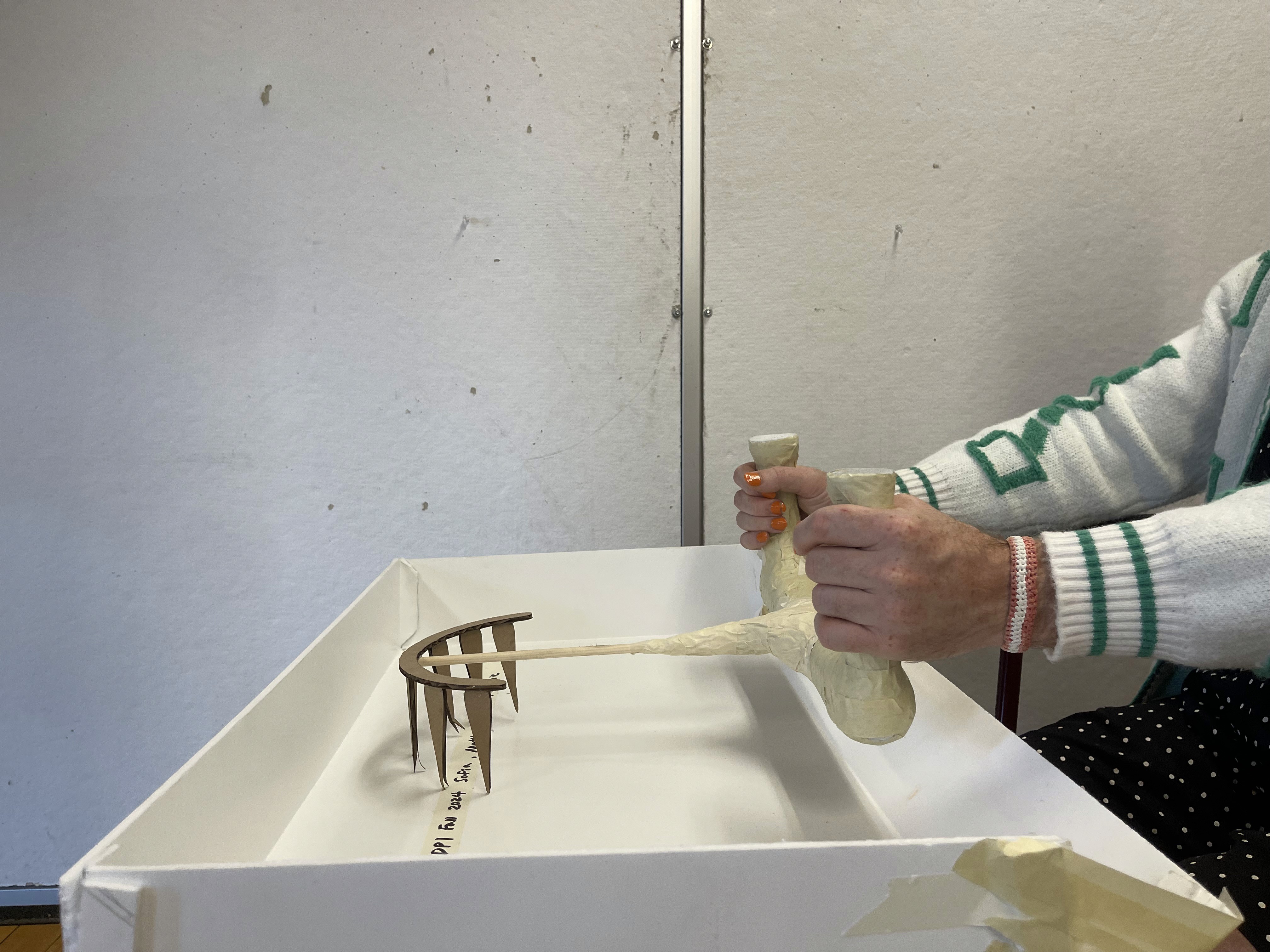


Faltus
"Rake 3 curved hook handle is nice for support"
"Rake 3 curved hook handle is nice for support" triangluar rake
"Rake 4 rake with guard is nice but heavy good for rose bushes
Faltus
"Rake 3 curved hook handle is nice for support"
"Rake 3 curved hook handle is nice for support" triangluar rake
"Rake 4 rake with guard is nice but heavy good for rose bushes
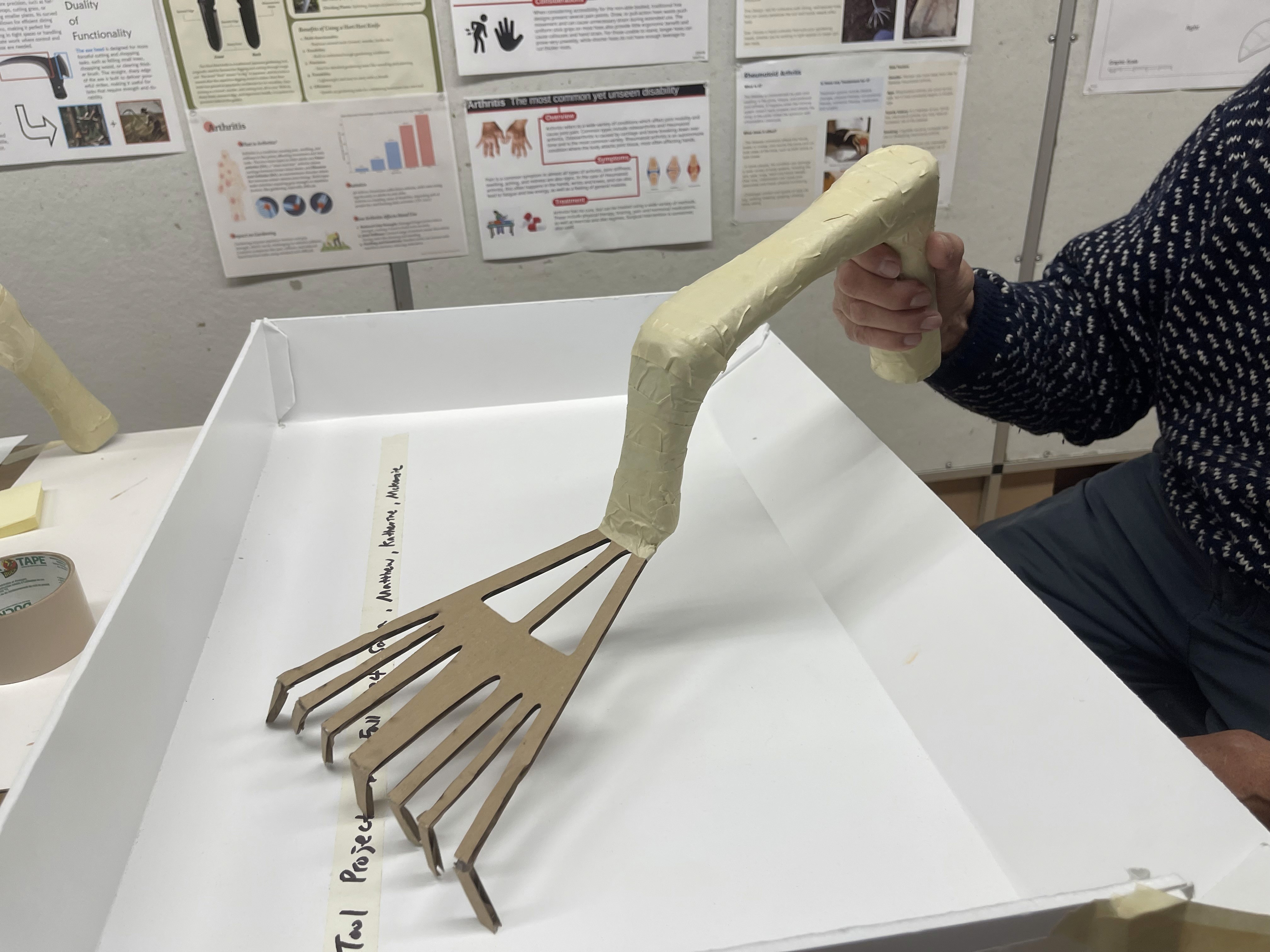

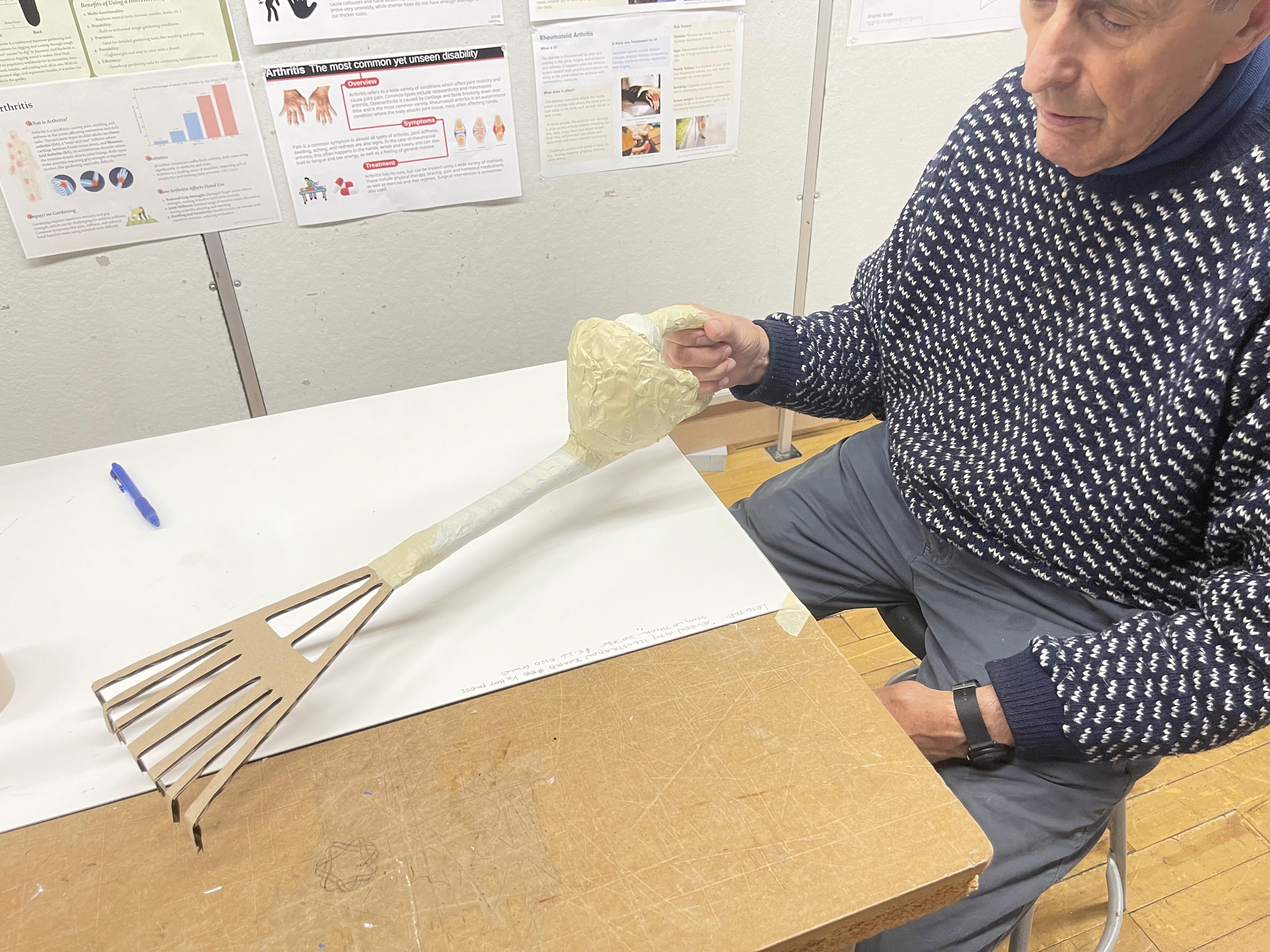
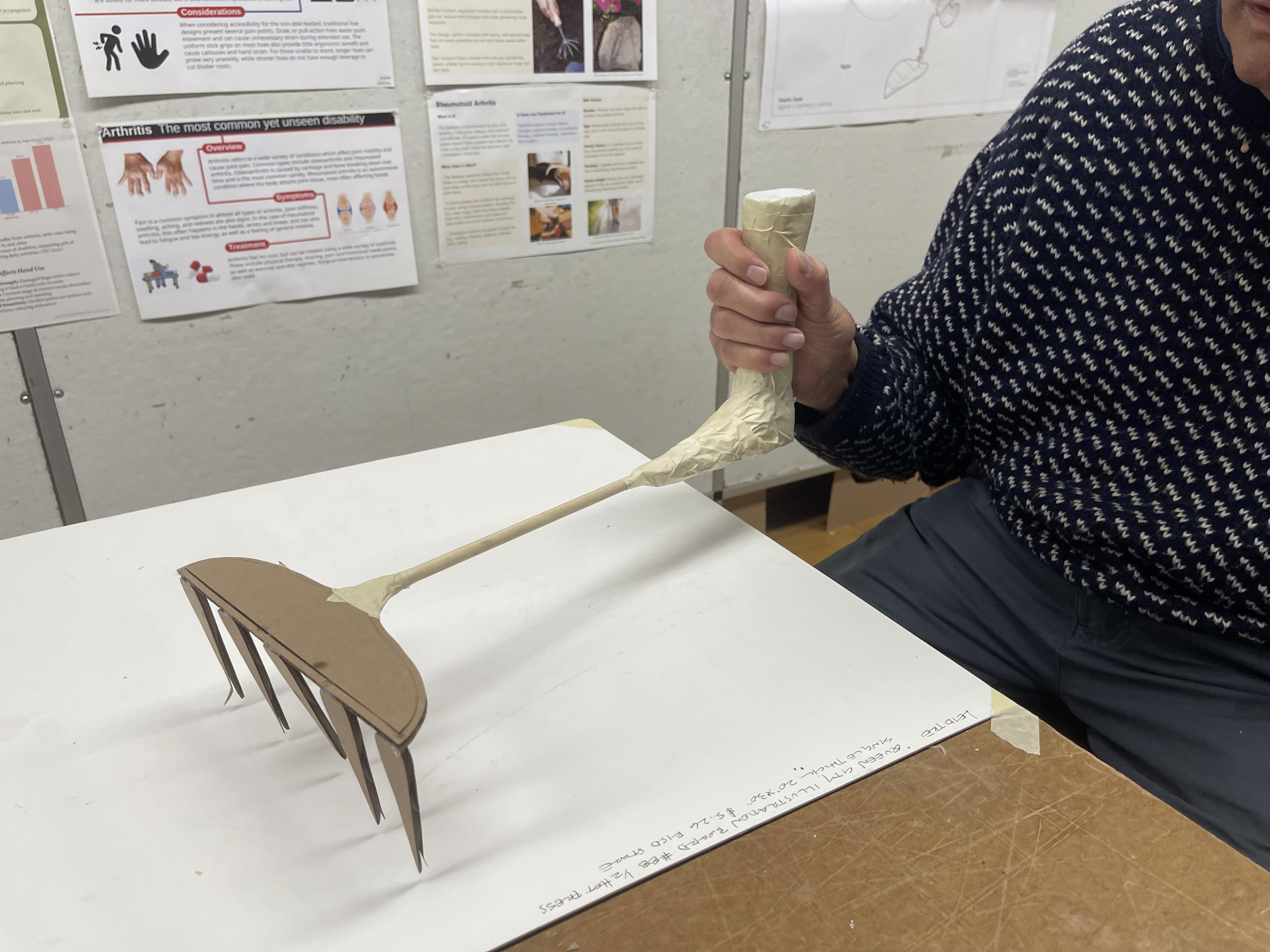
Garlan
"Rake 3 I think the curved handle has good support."
" Rake 5 I like the length and shape. I am not sure if I like the triangluar rake more or the curved one. The traingular shape is what I am used to seeing but the curve is inventive.
"Rake 1 Two hand rake seems specific and would only be used for a specific type of person"
Garlan
"Rake 3 I think the curved handle has good support."
" Rake 5 I like the length and shape. I am not sure if I like the triangluar rake more or the curved one. The traingular shape is what I am used to seeing but the curve is inventive.
"Rake 1 Two hand rake seems specific and would only be used for a specific type of person"
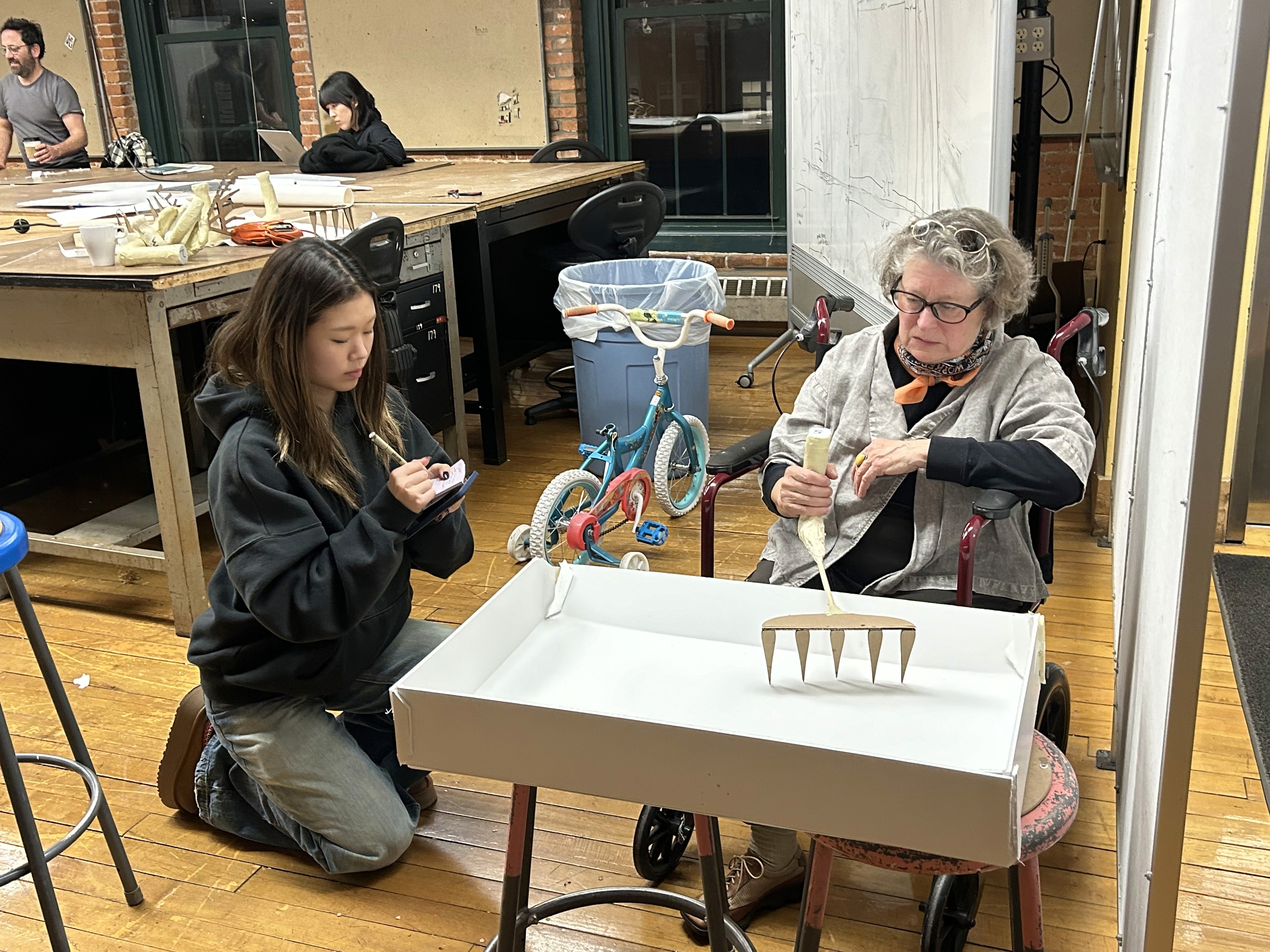

WANDA MIGLUS
"Rake 1 The size forces me to hunch over too much. I’d prefer handles with an extension."
"Rake 2 Makes me wonder if the wheelchair arms could go down so that I could hold the handle at the top."
"Rake 3 Curved rake is better for smaller limted spaces like the one provided. The handle is so upright, maybe a curved handle would be better, the nub at the top keep my hand from slipping out.
"Rake 4 Has a nice handle with a flat rake but the angle feels awkward
WANDA MIGLUS
"Rake 1 The size forces me to hunch over too much. I’d prefer handles with an extension."
"Rake 2 Makes me wonder if the wheelchair arms could go down so that I could hold the handle at the top."
"Rake 3 Curved rake is better for smaller limted spaces like the one provided. The handle is so upright, maybe a curved handle would be better, the nub at the top keep my hand from slipping out.
"Rake 4 Has a nice handle with a flat rake but the angle feels awkward
WANDA MIGLUS
"Rake 1 The size forces me to hunch over too much. I’d prefer handles with an extension."
"Rake 2 Makes me wonder if the wheelchair arms could go down so that I could hold the handle at the top."
"Rake 3 Curved rake is better for smaller limted spaces like the one provided. The handle is so upright, maybe a curved handle would be better, the nub at the top keep my hand from slipping out.
"Rake 4 Has a nice handle with a flat rake but the angle feels awkward
FINAL MODEL
FINAL MODEL
FINAL MODEL


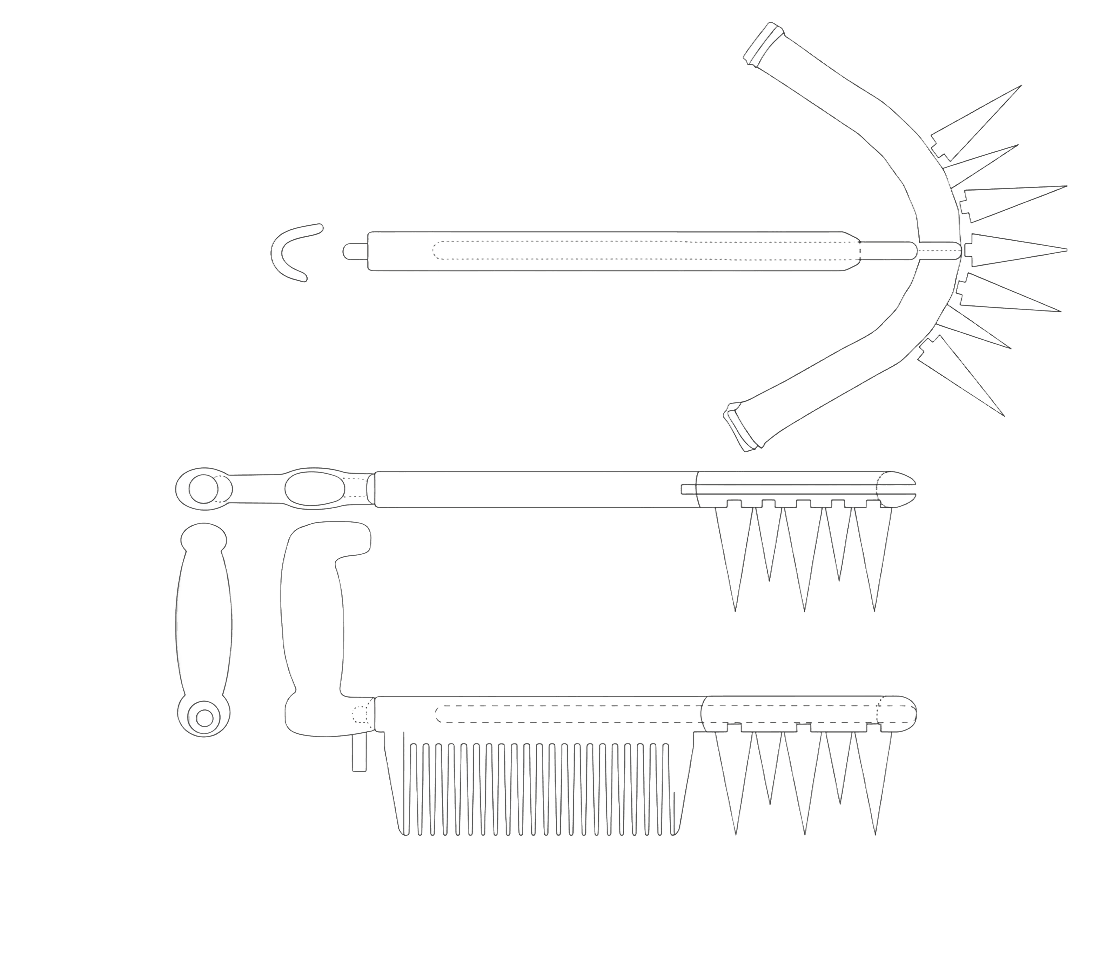
ORTHOGRAPHIC AND EXPLODED
ORTHOGRAPHIC AND EXPLODED
ORTHOGRAPHIC AND EXPLODED

DESIGN PROCESS
DESIGN PROCESS
DESIGN PROCESS



Sourcing materials
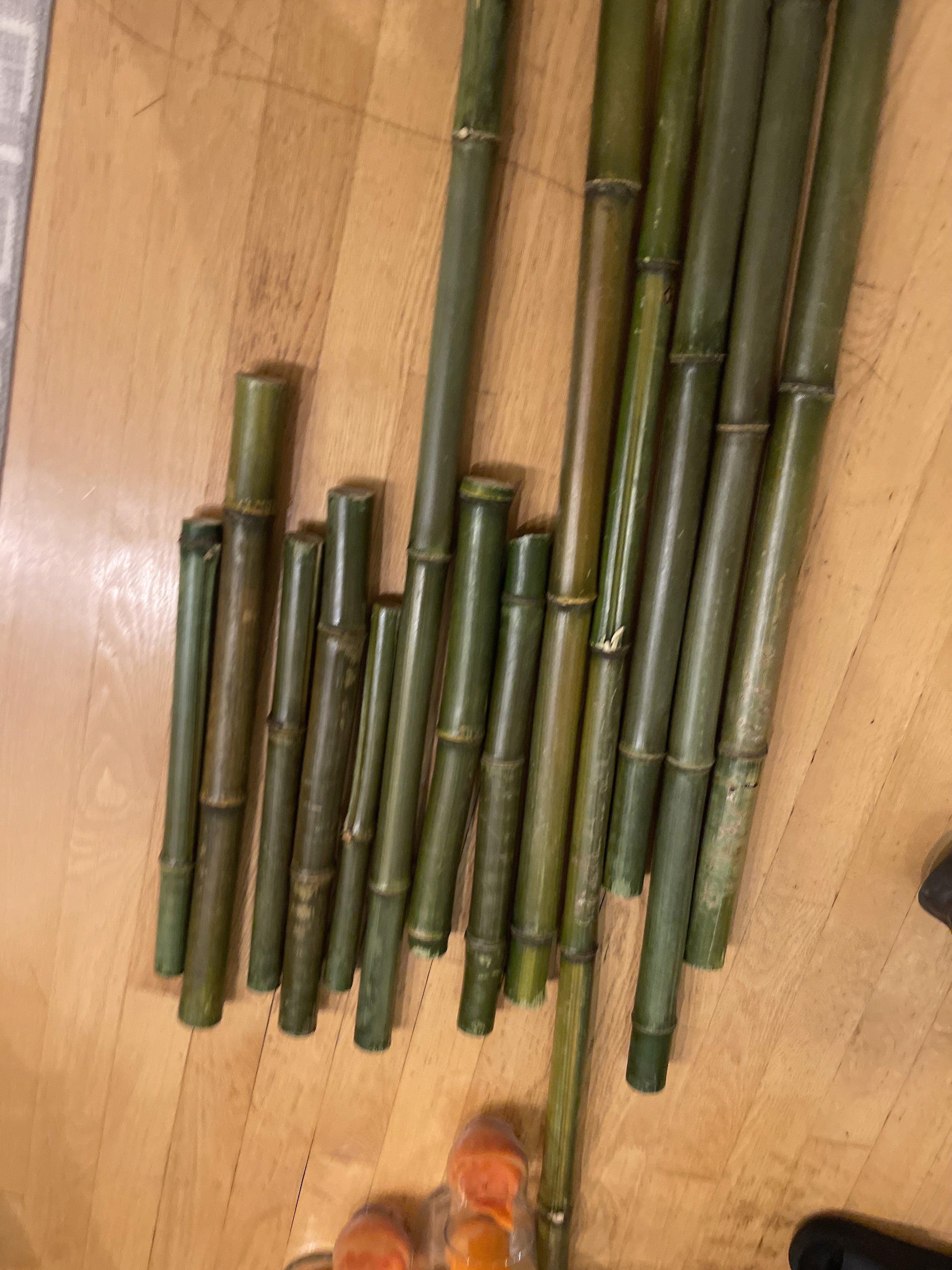
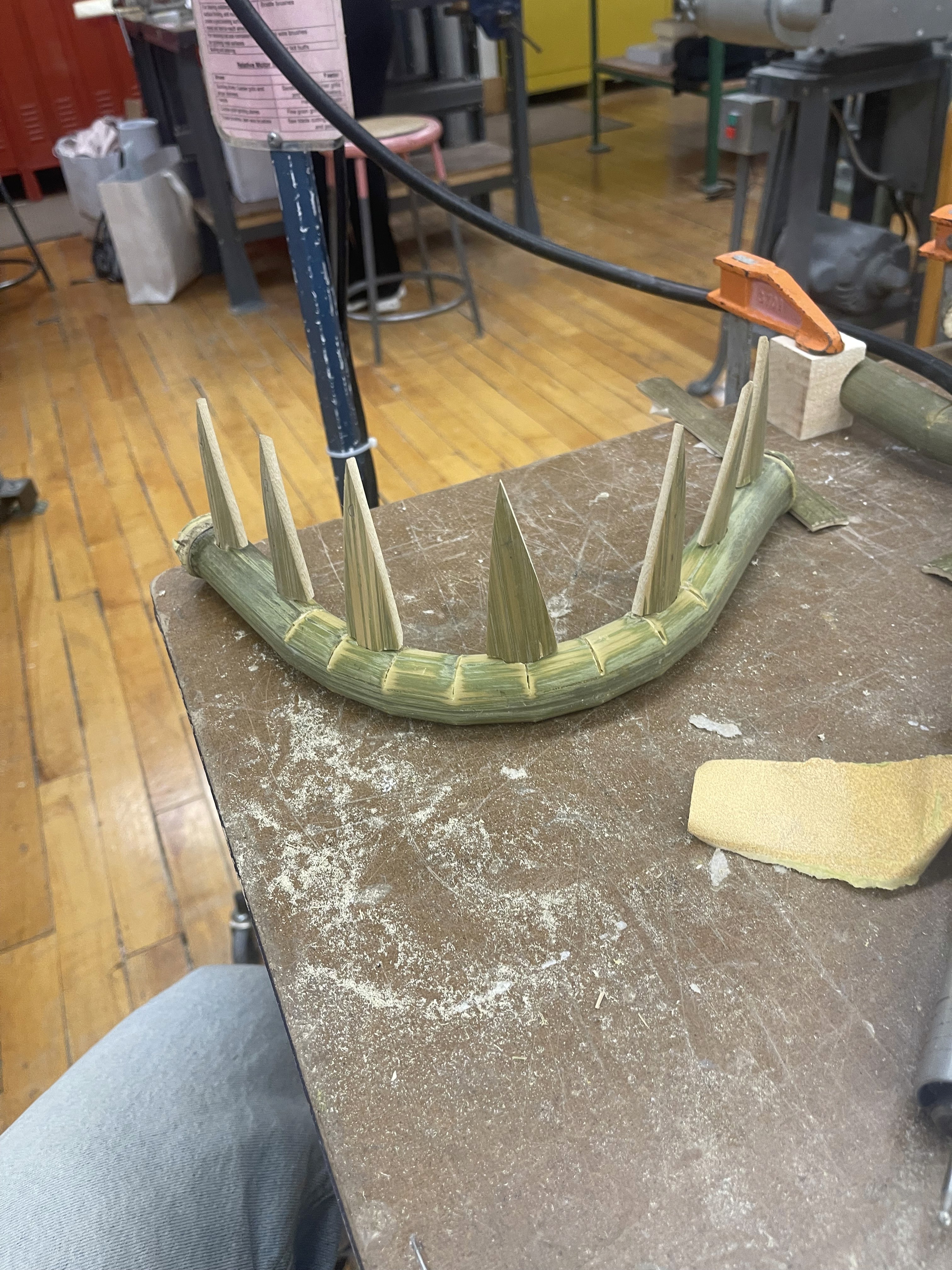
I sourced golden bamboo (Phyllostachys aurea) from my backyard, where it thrives as an invasive species. I chose this material both for its accessibility and because it aligns with my commitment to sustainability. By cutting and repurposing the bamboo, I’m helping to manage its spread while turning it into something beautiful and purposeful. The hand rake I’m crafting is a symbol of how invasive plants can be transformed into functional, environmentally conscious creations.
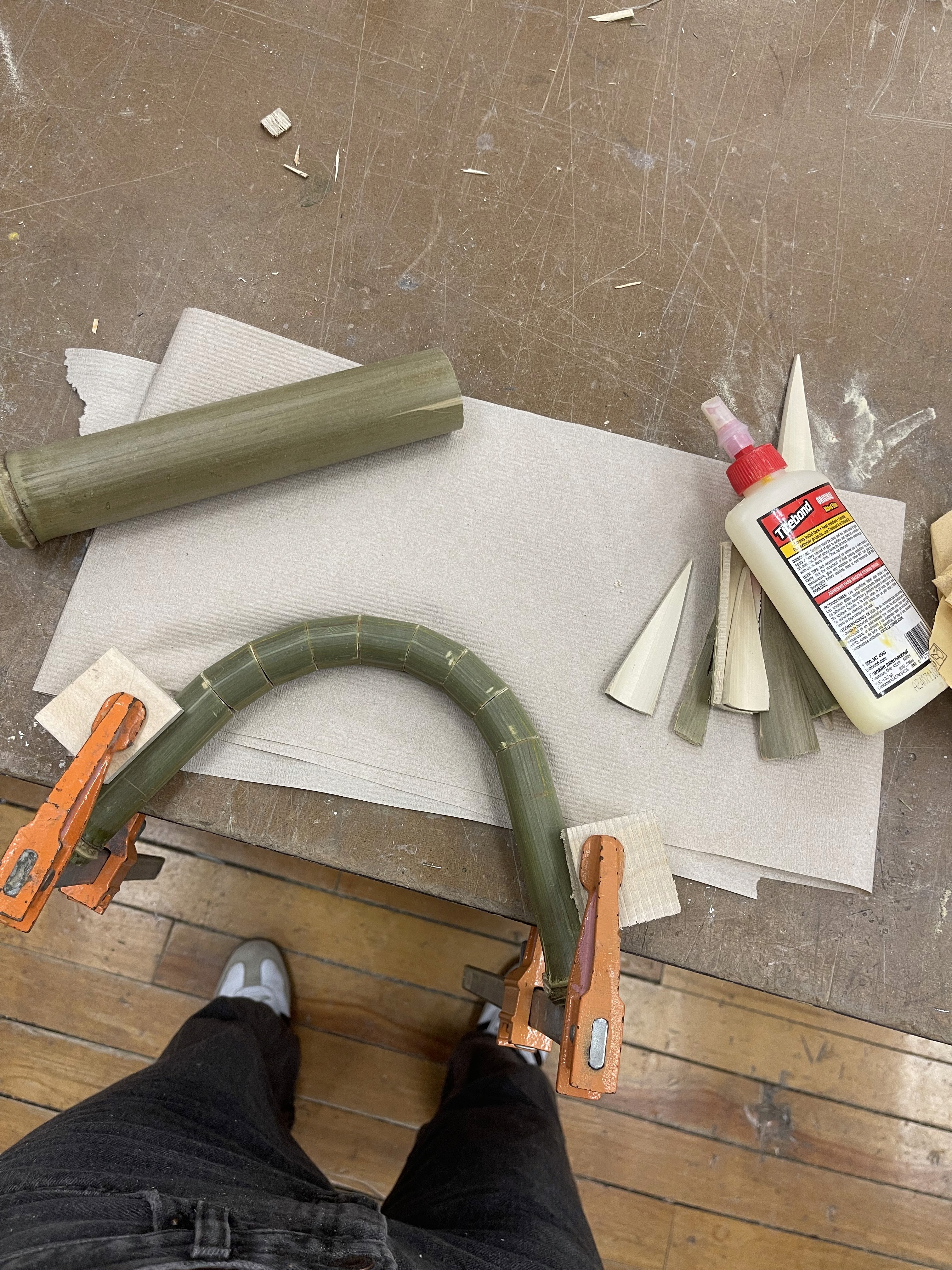
Learning how to cut and cure bamboo
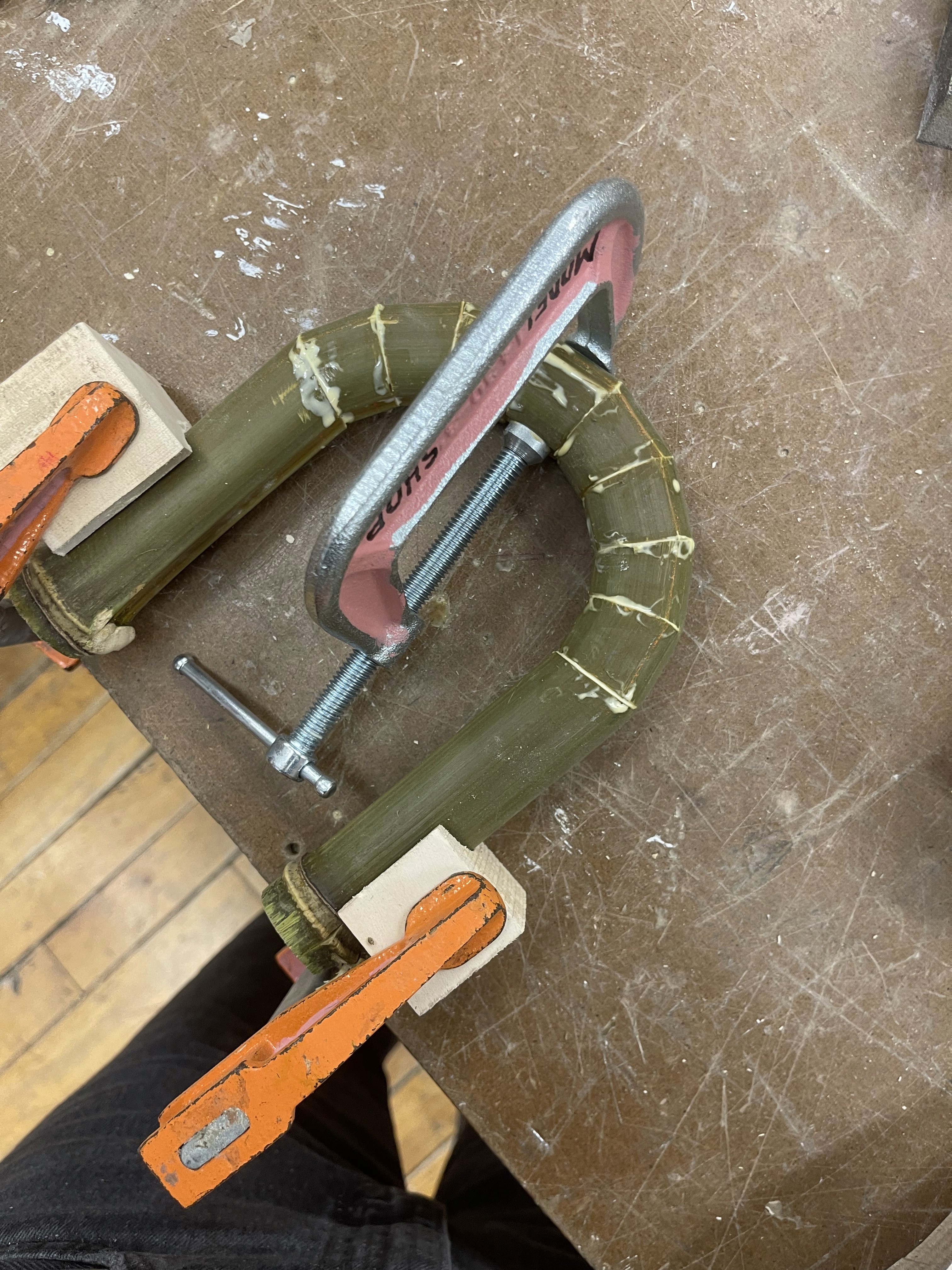
To preserve the bamboo's natural strength I learned to cut the bamboo in many ways to manipulate the material
Sourcing materials
I sourced golden bamboo (Phyllostachys aurea) from my backyard, where it thrives as an invasive species. I chose this material both for its accessibility and because it aligns with my commitment to sustainability. By cutting and repurposing the bamboo, I’m helping to manage its spread while turning it into something beautiful and purposeful. The hand rake I’m crafting is a symbol of how invasive plants can be transformed into functional, environmentally conscious creations.
Learning how to cut and cure bamboo
To preserve the bamboo's natural strength I learned to cut the bamboo in many ways to manipulate the material
Sourcing materials
I sourced golden bamboo (Phyllostachys aurea) from my backyard, where it thrives as an invasive species. By cutting and repurposing the bamboo, I’m helping to manage its spread while turning it into something beautiful and purposeful. The hand rake I’m crafting is a symbol of how invasive plants can be transformed into functional, environmentally conscious creations.
Learning how to cut and cure bamboo
To preserve the bamboo's natural strength I learned to cut the bamboo in many ways to manipulate the material
Sourcing materials
I sourced golden bamboo (Phyllostachys aurea) from my backyard, where it thrives as an invasive species. I chose this material both for its accessibility and because it aligns with my commitment to sustainability. By cutting and repurposing the bamboo, I’m helping to manage its spread while turning it into something beautiful and purposeful. The hand rake I’m crafting is a symbol of how invasive plants can be transformed into functional, environmentally conscious creations.
Learning how to cut and cure bamboo
To preserve the bamboo's natural strength I learned to cut the bamboo in many ways to manipulate the material
FINAL - ENVIRONMENT PHOTO
FINAL - ENVIRONMENT PHOTO
FINAL - ENVIRONMENT PHOTO

LEARNINGS
LEARNINGS
LEARNINGS


This process was such a rewarding experience for me. I’m truly grateful that I was able to harvest and utilize bamboo from my hometown backyard to create an ergonomic leaf hand rake specifically designed for those with arthritis. Researching and empathizing with the needs of people facing physical challenges has taught me so much about what it means to be a product/industrial designer. It’s all about empathy, understanding others’ pain points, and creating thoughtful solutions to alleviate them.
One of the most memorable parts of this journey was figuring out how to bend the bamboo into the curve I envisioned for the rake. The challenge was figuring out how to bend the cured bamboo and keep that curve in place. After much trial and error, I finally
found the solution: by cutting into the bamboo in precise isosceles triangle shapes, I was able to create a series of notches that allowed the bamboo to bend smoothly and hold the shape I needed. It was a lot of work, but the process of trial and error was incredibly rewarding, and I’m proud of the final result.
This process was such a rewarding experience for me. I’m truly grateful that I was able to harvest and utilize bamboo from my hometown backyard to create an ergonomic leaf hand rake specifically designed for those with arthritis. Researching and empathizing with the needs of people facing physical challenges has taught me so much about what it means to be a product/industrial designer. It’s all about empathy, understanding others’ pain points, and creating thoughtful solutions to alleviate them.
One of the most memorable parts of this journey was figuring out how to bend the bamboo into the curve I envisioned for the rake. The challenge was figuring out how to bend the cured bamboo and keep that curve in place. After much trial and error, I finally
found the solution: by cutting into the bamboo in precise isosceles triangle shapes, I was able to create a series of notches that allowed the bamboo to bend smoothly and hold the shape I needed. It was a lot of work, but the process of trial and error was incredibly rewarding, and I’m proud of the final result.
This process was such a rewarding experience for me. I’m truly grateful that I was able to harvest and utilize bamboo from my hometown backyard to create an ergonomic leaf hand rake specifically designed for those with arthritis. Researching and empathizing with the needs of people facing physical challenges has taught me so much about what it means to be a product/industrial designer. It’s all about empathy, understanding others’ pain points, and creating thoughtful solutions to alleviate them.
One of the most memorable parts of this journey was figuring out how to bend the bamboo into the curve I envisioned for the rake. The challenge was figuring out how to bend the cured bamboo and keep that curve in place. After much trial and error, I finally
found the solution: by cutting into the bamboo in precise isosceles triangle shapes, I was able to create a series of notches that allowed the bamboo to bend smoothly and hold the shape I needed. It was a lot of work, but the process of trial and error was incredibly rewarding, and I’m proud of the final result.
This process was such a rewarding experience for me. I’m truly grateful that I was able to harvest and utilize bamboo from my hometown backyard to create an ergonomic leaf hand rake specifically designed for those with arthritis. Researching and empathizing with the needs of people facing physical challenges has taught me so much about what it means to be a product/industrial designer. It’s all about empathy, understanding others’ pain points, and creating thoughtful solutions to alleviate them.
One of the most memorable parts of this journey was figuring out how to bend the bamboo into the curve I envisioned for the rake. The challenge was figuring out how to bend the cured bamboo and keep that curve in place. After much trial and error, I finally
found the solution: by cutting into the bamboo in precise isosceles triangle shapes, I was able to create a series of notches that allowed the bamboo to bend smoothly and hold the shape I needed. It was a lot of work, but the process of trial and error was incredibly rewarding, and I’m proud of the final result.